


Calluses on the feet can turn every step into a real ordeal, but fortunately, they are neither inevitable nor insurmountable! How can you recognize these pesky nuisances and, more importantly, how can you get rid of them? Discover all our tips to identify and effectively treat calluses. Enjoy walking again.
What is a callus?
A callus is an area of skin that becomes thick and hard in response to repeated pressure or friction. This hardened skin formation, often less painful than a corn on the foot, usually appears on parts of the foot that bear the most weight or are subject to constant rubbing, such as the heels or sides of the foot.
Calluses form to protect the underlying skin, acting as a shield against continuous irritation. Although benign, these calluses can be uncomfortable or unsightly, prompting those affected to seek ways to soften or remove them.
Callus vs. corn: how to tell the difference?
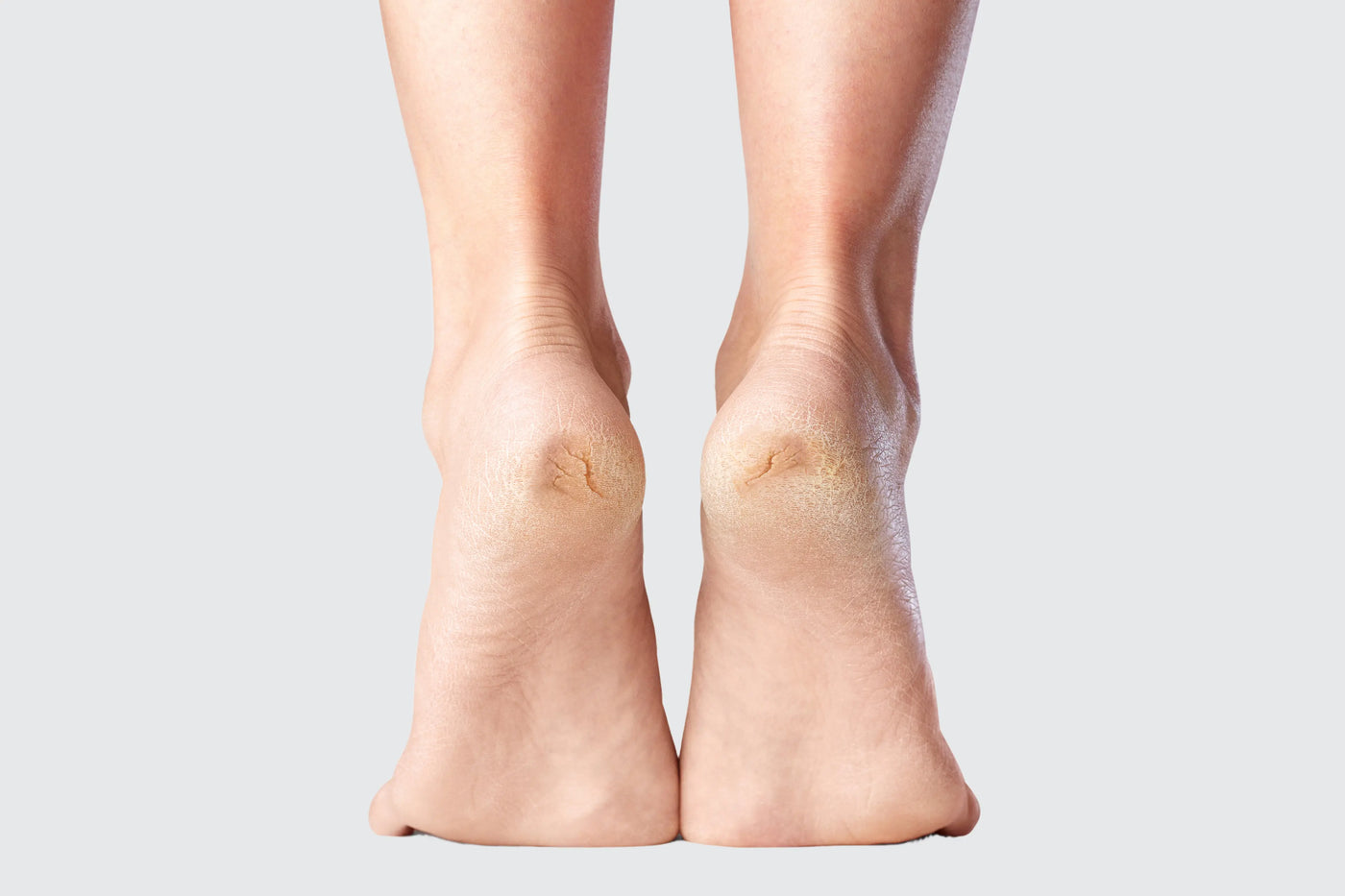
A plantar callus is a thickened patch of skin on the sole of the foot. It is characterized by thickening and hardening of the skin with a yellowish appearance. Calluses are typically found on the heel and the sides of the sole.
They form on weight-bearing areas where pressure is exerted during walking. Calluses are also worsened by repeated rubbing inside shoes. As a result, the skin produces excess keratin to protect itself, creating a “protective horn.” This phenomenon is called hyperkeratosis.
Initially, calluses are painless and limited in size, but if left untreated, they grow larger and thicker. Cracks, known as fissures, can then appear on the heels and cause pain.
Callus, corn, and “eye of the partridge”: what are the differences?
A corn is a hardened area of skin with a central core that is hard and painful, often located on or between the toes. It is caused by localized pressure and repeated friction, often worsened by ill-fitting shoes.
The “eye of the partridge,” a variant of the corn, forms specifically between the toes. This moister environment makes the “eye of the partridge” softer but also more painful because it is compressed between the toes, intensifying pain while walking or wearing certain shoes. Both conditions require careful treatment to avoid complications.

What are the different types of calluses on the feet?
Calluses on the feet can appear in various forms, each corresponding to a specific area of the foot and a type of pressure or friction.
- Plantar calluses: These calluses develop on the soles of the feet, especially under the heads of the metatarsal bones, where the body’s weight presses the most while walking. They are often wide and flat and can be painful due to constant pressure when walking or running.
- Calluses on the toes: These typically appear on the sides or tops of the toes. They are often caused by ill-fitting shoes that rub against the toes or by toe deformities such as bunions (hallux valgus) or hammer toes.
- Interdigital calluses: These develop between the toes. They are usually softer than other types of calluses due to the moisture present between the toes, but can be particularly painful because of pressure from both sides.
What causes calluses on the feet?
Calluses on the feet are not just a matter of tight shoes or prolonged walking. Certain professional or recreational activities, such as dancing or specific sports, can also contribute by continuously putting pressure on specific parts of the foot.
Additionally, anatomical factors like uneven weight distribution on the foot or bone structure abnormalities play a major role.
Furthermore, prolonged wearing of high heels or poorly fitting shoes can worsen the condition, as can a lack of skin hydration, which makes the skin more prone to hardening due to friction and pressure.

How to remove and relieve a callus under the foot?
At the first signs, it is important to have your feet examined by a podiatrist to ensure an accurate diagnosis and to implement effective treatments to get rid of them.
Natural treatments to care for calluses
There are natural solutions to treat calluses and relieve pain. These include anti-friction pads, essential oils, and homeopathy. We will also discuss the importance of consulting a podiatrist alongside these treatments to identify the root cause of the calluses and treat them in the long term.
Anti-friction pads or protectors
Anti-friction pads are small devices placed on the forefoot that cushion the pressure exerted by the foot. This protected skin area reduces hyperkeratosis, thereby limiting calluses and relieving pain.
Poderm has developed callus pads that work by distributing pressure and absorbing micro-shocks from the foot. This immediately protects the forefoot area by reducing friction. These pads are also infused with Arnica gel to provide pain relief, soften, and soothe calluses. They help prevent and promote the disappearance of calluses and can be worn with all types of soft shoes.

Plantar Pain - Calluses Protection
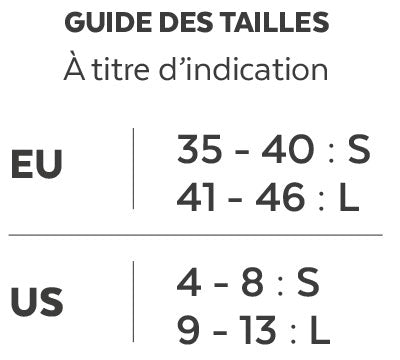
Size guides
For guidance
Essential oils and homeopathy
Among natural treatments, essential oils and homeopathy are used to relieve calluses. In homeopathy, Arnica oil is recommended to soothe, repair, and relieve painful areas. It is rich in antioxidants and helps prevent and soften calluses.
As for essential oils, Tea Tree oil can be used to eliminate a callus on unbroken skin. However, it is best to consult an aromatherapy specialist to determine the appropriate dosages of essential oils.

Can I remove a callus under my foot myself?
Although it might be tempting to remove a callus at home, it is not recommended. You can use a callus file or a pumice stone, but these can cause injuries and increase the risk of infection. It is possible to have a callus professionally removed, but this should be done by a podiatrist. They will use a scalpel and identify the root cause of the callus to prevent it from coming back.
Who should I see for calluses and corns?
If you notice thickened skin on any area of your feet, make an appointment with a podiatrist. They will examine your feet and can remove the calluses. They may also prescribe custom orthotics or orthopedic insoles after a podiatric assessment if the excess pressure is due to foot misalignment or flat feet, for example. Orthopedic insoles help rebalance pressure on the foot for better weight distribution and prevent calluses. They are usually thin and easy to slip inside shoes.
What are some home remedies for calluses?
Home remedies can be tried as a first step when a callus appears. Some are known for their softening effects, making it easier to remove a callus or hardened skin once the skin is softened.
Baking soda for calluses
Baking soda softens the skin and helps exfoliate calluses. As a foot soak, baking soda will soften the skin. It can also be applied directly to the callus after soaking by rubbing a paste made from 3 tablespoons of baking soda mixed with 1 tablespoon of water.
Green clay for calluses
Green clay has cleansing, purifying, detoxifying, exfoliating, and regenerating properties, making it a good ally to eliminate calluses. Cover the callus with ready-to-use green clay paste, then apply a protective gauze over it. Wrap the whole area with cling film and keep this poultice on overnight.
Treating calluses with lemon
Lemon juice is an excellent healing agent and helps reduce inflammation. Rich in vitamin C, it softens the skin and helps prevent cracks. Squeeze a lemon and collect the juice in a container. Soak two cotton pads in the juice, then place them on the calluses and secure them on your feet with a bandage. Leave on overnight and repeat until the calluses disappear.
How to prevent calluses?
Saying goodbye to calluses is possible with a few simple tips! Start by wearing well-fitting shoes that allow your toes to move freely without being cramped. Choose soft socks that wick away moisture—your feet will thank you with every step.
For those who enjoy outdoor activities or spend long hours on their feet, consider gel insoles or cushioned pads to distribute pressure and give your feet royal comfort. And don’t underestimate the power of a good foot cream: a gentle foot massage before bed can work wonders to keep your skin soft and supple.

Rotate your shoes and give your feet well-deserved breaks. With these simple habits, calluses will soon be a distant memory!


